Exploring 'Seraph of the End' Streaming on Crunchyroll

Intro
Anime has made a significant dent in pop culture, and 'Seraph of the End' is no exception. Since its first airing, it has attracted viewers like bees to honey with its intense plot and rich character development. Diving deeper into the series, particularly its availability on Crunchyroll, reveals a nuanced understanding of why it resonates so well with audiences worldwide. This brings us to why Crunchyroll is a pivotal platform in the anime landscape.
Industry Insights
Emerging Trends in Anime Industry
The anime industry is constantly evolving, mirroring shifts in viewer preferences and technological advancements. 'Seraph of the End' taps into some of the latest trends, notably the growing fascination with dark fantasy and post-apocalyptic narratives. This shift has been reflected across various series, as creators look to blend traditional storytelling with modern themes of survival and morality.
Additionally, the incorporation of more complex character arcs has become a hallmark of recent anime hits. Characters like Yuichiro Hyakuya and Mikaela Hyakuya are not merely essential to the plot; they act as conduits for exploring themes of loyalty, loss, and the gray areas of good and evil.
"Anime creators are increasingly blending genres and themes to capture noteworthy audience interest, creating amalgamations that speak to current society's fears and hopes."
Behind-the-Scenes of Popular Movies/TV Shows
Understanding what goes into the making of an anime can also shed light on its success. 'Seraph of the End,' based on the manga by Takaya Kagami, is adapted by Wit Studio, which has raised the bar with exceptional animation quality. The choice of voice actors also plays a crucial role in breathing life into characters, and this series is no exception, boasting a talented cast that enhances the storytelling experience.
Moreover, as the anime adapts the source material, it aims to strike a balance between fidelity to the manga while making necessary adjustments for the screen. This creative process is pivotal in ensuring that both manga readers and newcomers find value in the series.
Reviews & Recommendations
Must-Watch Anime Recommendations
For those on the fence about 'Seraph of the End,' it stands shoulder to shoulder with other titles that have captivated audiences. Here are a few that should not be missed:
- Attack on Titan: Known for its intense action and intricate story arcs.
- Tokyo Ghoul: Another series exploring dark themes and complex character dynamics.
- Demon Slayer: Combines stunning animation with heartfelt storytelling, making it an instant classic.
Exploring these recommendations helps to contextualize 'Seraph of the End' within the larger anime world, showing how its themes both align with and diverge from its contemporaries.
News & Updates
Breaking News in Comic Industry
As the anime adaptation continues to find its footing and expand its viewership, staying updated on industry trends is crucial. In recent months, Crunchyroll announced plans to develop more original content, leveraging its growing popularity among anime enthusiasts. This could be a game-changer not only for 'Seraph of the End' but for the community of fans craving more dynamic storytelling.
Without a doubt, the influx of new adaptations and original series on platforms like Crunchyroll signals that the anime wave is far from cresting. It showcases a thriving marketplace for content that faithfully represents diverse narratives.
Culmination
The exploration of 'Seraph of the End' on Crunchyroll reveals much more than just an anime series; it opens a window into changing trends within a vibrant industry. As viewers navigate through their options, knowing the significance of this title may enrich their viewing experience and ignite discussions within the anime community. For further insights and interactions, check discussions on platforms like reddit.com or wikipedia.org.
Engaging in dialogues and exploring subcultures within the context of anime will further deepen one's appreciation for these narratives, making the journey through titles like 'Seraph of the End' all the more rewarding.
Overview of 'Seraph of the End'
Understanding the significance of 'Seraph of the End' is crucial as we delve into its complexities and offerings. This anime series marks not only a pivotal point in the landscape of modern anime but also speaks to larger narrative themes and character dynamics that resonate with audiences worldwide. By taking a closer look, we can appreciate how it intertwines motifs of survival, humanity, and the eternal struggle against despair, which are vital elements that contribute to its allure.
Synopsis of the Series
'Seraph of the End' spins a tale set in a post-apocalyptic world dominated by vampires after a mysterious virus wipes out a significant portion of the human population. The series follows Yuichiro Hyakuya, one of the rare survivors who now finds himself embroiled in a battle not just to survive but to reclaim his humanity and free fellow humans from enslavement. The gripping plot unfolds with Yuichiro’s quest deeply interwoven with themes of friendship and betrayal, creating a narrative that's both engaging and thought-provoking. Through a blend of supernatural elements and emotional turmoil, it challenges the viewer’s perceptions of good versus evil, all the while being anchored by a richly developed supporting cast.
Background and Creation
The creation of 'Seraph of the End' is as intriguing as its story. Originally based on a manga series by Takaya Kagami, it's an exploration of despair, hope, and the unbreakable bonds of friendship. The manga debuted in 2012 and quickly gained traction, leading to its adaptation into an anime series that premiered in 2015. Interestingly, the anime's production was helmed by Wit Studio, a company known for its high-quality animation and storytelling; their expertise adds a layer of richness to the series that’s hard to ignore. The synergy between the manga's intriguing plots and the anime's animated interpretation creates a launchpad for deeper discussions about its reception and overall impact. This background sets the scene for understanding 'Seraph of the End' not just as a standalone product but as a cultural phenomenon that continues to influence the anime genre.
Narrative Structure and Themes
The narrative structure and themes present in 'Seraph of the End' serve as critical pillars that not only support the plot but also enhance viewer engagement. The careful weaving of survival elements and redemption arcs makes the storytelling compelling and relatable. Each character’s journey through despair and hope reflects universal human experiences, tapping into a deep emotional reservoir of the audience. Understanding these narrative elements is vital for appreciating the complexities of the series, especially as it unfolds on a platform like Crunchyroll, where accessibility enhances viewer interaction and community support.
Central Themes of Survival and Redemption
At its core, 'Seraph of the End' paints an evocative picture of survival against overwhelming odds. The post-apocalyptic backdrop filled with vampires and humans at odds reflects a struggle that transcends mere survival; it showcases a fight for dignity and identity in a world thrown into chaos. Characters such as Yuichiro Hyakuya personify this theme as they navigate personal loss while seeking retribution and belonging.
On the redemption side, the series delves into the complexities of forgiveness and self-acceptance, featuring characters wrestling with their past decisions. This blend of survival instincts with threads of redemption creates a rich tapestry, encouraging viewers not just to witness but to feel and reflect.
Character Arcs and Development
The character arcs in 'Seraph of the End' drive the plot forward and help underscore the themes of survival and redemption. Each character undergoes significant growth, making their journeys pivotal to understanding the overall narrative.
Yuichiro Hyakuya
Yuichiro, the series’ protagonist, embodies the burning desire to survive and avenge his lost family. His relentless pursuit of power and knowledge stems from crippling grief and anger, making him a relatable figure for many watchers. This key characteristic of unwavering resolve makes Yuichiro a prominent choice in our discussion of themes. Circling around his motivations and actions, the unique feature of his transformation from a vulnerable child to a fierce warrior is critical.
However, this ambition can tip into recklessness, often leading him to make choices that endanger both himself and his companions. Such flaws add depth to his character, allowing viewers to connect with his struggle on multiple levels.
Mikaela Hyakuya
Mikaela serves as a contrasting yet complementary character to Yuichiro. His transformation into a vampire marks a significant pivot, serving as a means of survival in a hostile world, yet this change carries the burden of loss and longing. His key characteristic lies in his lingering humanity, often reminding viewers of the moral conundrums that arise when one must sacrifice certain values for survival.
The unique aspect of Mikaela's character is his continuous internal conflict and the desire to protect Yuichiro at all costs. This brings emotional weight to the narrative but also introduces complications around the theme of friendship and loyalty. The dilemma he faces adds layers to the storyline, highlighting the duality of survival that can lead to both strength and isolation.
Shinoa Hiragi
Shinoa Hiragi offers a more calculated approach to survival, combining wit with a keen sense of strategy. As a member of the Japanese Imperial Demon Army, she represents a different facet of dealing with adversity. Shinoa's key characteristic is her pragmatic view of alliances and her ability to navigate the murky waters of human and vampire relations. This makes her a significant figure within the narrative, contributing to both Yuichiro and Mikaela’s evolutions through her insights.
Her ability to manipulate situations while maintaining her own moral compass highlights a unique feature that often adds strategic depth to conflict resolution in the series. However, it also risks alienating her from others who may perceive her schemes as cold or unfeeling. This complexity only enriches her role in the overarching tale, demonstrating that survival can encompass not just life and death but also interpersonal struggles and ethical dilemmas.
Production Elements of 'Seraph of the End'
The production elements of Seraph of the End play a pivotal role in shaping the series’ aesthetic and emotional resonance. From the vivid artwork to the haunting score, these elements contribute significantly to the storytelling experience on Crunchyroll. Understanding these facets enhances appreciation for not just the narrative but also how the creators brought this world to life.
Art Style and Visual Presentation
The art of Seraph of the End is striking, marked by a blend of dark tones and vibrant colors that evoke the series’ overarching themes of life and death. The illustration style captures both the brutality of the post-apocalyptic setting and the delicate nature of its characters, creating a visually engaging contrast. Each character is designed with unique features that reflect their personalities, from Yuichiro's determined look to Mikaela's more brooding demeanor.
Moreover, the animation technique employed by Wit Studio allows for fluid motion during action sequences, making battles exhilarating to watch. The backgrounds are detailed, providing viewers with a sense of immersion in the desolate landscapes and richly designed environments.
"Visuals can often make or break an anime; in Seraph of the End, the art style certainly elevates the storytelling to new heights."
In essence, the visual presentation is not merely a backdrop; it actively participates in the emotional storytelling, drawing viewers deeper into the experience.
Soundtrack and Musical Composition
An equally vital aspect is the series' soundtrack, composed by the talented Hiroyuki Sawano. Recognized for his work in many popular anime, Sawano brings a depth to the audio landscape of Seraph of the End that enhances the dramatic nuances of each scene. The music ranges from subtle, emotional pieces during tragic moments to powerful orchestral scores that heighten the tension during battles.
Each theme resonates with the viewer's emotions, effectively guiding their reactions throughout the series. For example, during key moments of conflict, the intense music elevates the stakes, ensuring that audiences are on the edge of their seats.
Furthermore, the use of the opening and ending songs, performed by bands such as Poplov and Aimer, tie the thematic elements of the story back to the viewers, allowing for a more profound connection to the characters and their struggles. The harmony between visuals and audio creates a cohesive experience that is memorable long after the final episode ends.
In summary, the production elements of Seraph of the End—including both its art style and music—are intricately woven into the fabric of the narrative, allowing for a richly layered viewing experience on Crunchyroll.
Crunchyroll and Its Role
Crunchyroll has carved out a significant niche in the realm of anime streaming, acting as a primary vessel for enthusiasts to access titles like Seraph of the End. The platform's role extends beyond merely hosting content; it shapes the anime landscape by enhancing accessibility and enriching viewer experiences. With a user-friendly interface and a wealth of options, Crunchyroll stands as a go-to for fans eager to dive into various series, and it doesn’t shy away from older titles as well as newer releases.
Streaming Availability and Options
When it comes to Seraph of the End, Crunchyroll offers both subtitled and dubbed versions, allowing viewers to engage with the series in the style they prefer. The mobile app also makes it easier for people to watch on the go. Plus, having multiple streaming options boosts accessibility, especially for international fans who might otherwise have trouble tracking down certain titles. It’s worth noting that the platform is continually tweaking its offerings, including adding new anime to the slate or improving the viewing experience based on user feedback.
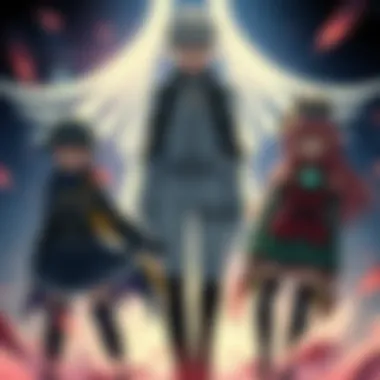

"For those who love Seraph of the End, Crunchyroll serves as the lifeline to the show, providing ease of access that keeps viewers in the loop."
Another appealing aspect is its ability to cater to different viewing preferences, from casual watchers to hardcore binge-enthusiasts. Users can often choose from a free tier, where ads pepper the viewing experience, or snag a premium subscription for an ad-free indulgence along with high-definition content.
Comparing Crunchyroll to Other Platforms
With the influx of streaming platforms, it helps to compare Crunchyroll with others to see how it stacks up regarding Seraph of the End. Here’s a closer look at what several key platforms have to offer in this landscape:
Hulu
Hulu is known for its vast library, which includes a mix of mainstream shows alongside niche anime titles. While Hulu does have some anime offerings, the platform's strength lies more in its live TV functionalities and a strong selection of Western titles. For viewers wanting to enjoy a broader array of genres, Hulu's primary characteristic is its combined video on-demand service alongside live television. However, it might not always have the latest anime episodes as quickly as Crunchyroll, which might leave some fans longing. The unique feature of Hulu is its availability of current and past television shows, making it a solid choice if viewers are looking for content that isn’t limited to anime alone.
Funimation
Funimation serves up a solid experience for those seeking dubbed versions of their favorite shows. The platform specializes in anime, offering a significant focus on western markets, and has an illustrious back catalog that includes classics as well as newer titles. A key characteristic of Funimation is its emphasis on voice acting, catering specifically to audiences who prefer dubbed versions over subtitled ones. That said, it may lack the breadth of simulcasts compared to Crunchyroll, with delays in episodes not uncommon. If your taste leans towards dubbed anime, Funimation is an excellent choice, though it might not suit those who prefer to watch the latest releases as they air.
Netflix
Netflix, while primarily known for its original programming, has been gradually expanding its anime library. With series like Castlevania and Dorohedoro, it has carved a unique niche. Netflix's primary characteristic is its slick interface and the ability to view all content without ads, which some find appealing. But when it comes to Seraph of the End, Netflix can fall short on timeliness. Unlike Crunchyroll, they may not offer the latest episodes immediately, which might frustrate loyal fans eager to keep up with fresh content. Also, as Netflix operates on a monthly subscription model, you can expect a different viewing dynamic with an occasional focus on exclusive titles.
Audience Reception and Critique
Audience reception and critique play a pivotal role in shaping our understanding of an anime's impact and relevance in popular culture. For Seraph of the End, feedback from viewers helps highlight the strengths and weaknesses of the narrative, character development, and production quality. These insights are not just numbers in a review; they provide context for why this series resonates with a specific audience and how its themes can be interpreted differently depending on viewers’ backgrounds.
Understanding audience reception allows us to see how Seraph of the End navigates its complex themes in a way that fosters connection or sometimes drives division. Critiques often reflect personal experiences and societal issues that the series taps into, making it crucial for both fans and critics alike to engage with the show.
Critical Acclaim and Controversies
Seraph of the End has not been without its share of accolades or debates. Many critics have praised the animation quality and emotional depth present in the storyline. It provides a refreshing yet dark take on the vampire genre, combining horror with human resilience. Critics often mention its potential to both mesmerize and challenge viewers, which is a hallmark of noteworthy anime.
However, controversies arise from certain portrayals in the series which some fans find inconsistent or problematic. The world building, while expansive, sometimes leads to narrative disjuncture that frustrates those looking for a tight, cohesive storyline. Such feedback often spurs animated discussions in various forums, highlighting the diverse opinions that coexist around this title.
Fan Reactions and Community Engagement
Forums
Online forums are a breeding ground for in-depth discussions, making them a superb avenue for diving deep into Seraph of the End. Platforms like Reddit offer fan communities where viewers dissect episodes, analyze characters, and share fan theories. The interactive nature of forums allows users to engage in back-and-forth dialogues that enrich their understanding of the series.
A key characteristic of forums is their focus on detailed topics, encouraging a slower-paced conversation that contrasts with fast-moving social media feeds. This slower rhythm often invites thoughtful commentary, making it a valuable tool for Seraph of the End enthusiasts eager to explore complex themes or specific episodes in detail.
However, the downside sometimes lies in the echo chamber effect, where dominant opinions can overshadow diverse perspectives. Fans should be aware that while forums can offer a sense of community, they can also narrow the discourse on important issues within the series.
Social Media
Social media platforms like Twitter and Facebook provide a contrasting yet equally valuable space for engaging with Seraph of the End. The immediacy of these platforms makes them popular for rapid-fire reactions immediately after episodes air, with fans often posting their thoughts, favorite scenes, or memes that capture the essence of the day's episode.
One primary characteristic of social media is its viral nature, where buzz can quickly elevate or diminish an anime's reputation based on trending topics. This dynamic not only generates a sense of community but also fosters a collective viewing experience, as fans engage with each other in real time.
On the downside, the brevity of posts sometimes limits discussions, reducing complex ideas into snappy phrases. Thus, while social media enables swift exchanges and broad outreach, it often sacrifices depth for speed, which could lead to misunderstandings about the narrative and its characters.
"In every story, there are as many perspectives as there are viewers. Seraph of the End serves as a reflection of this complexity, making audience engagement all the more crucial to understand its implications in pop culture."
Overall, both forums and social media contribute richly to the audience reception of Seraph of the End, serving different yet complementary roles in the broader cultural dialogue surrounding the series.
Comparative Analysis
The importance of a comparative analysis in the context of 'Seraph of the End' lies in its ability to provide a fuller understanding of the anime not just as a standalone piece of art but also within the broader tapestry of the medium. Analyzing it alongside similar series reveals common themes, storytelling techniques, and character development strategies that enrich the viewing experience. This type of examination allows fans and newcomers alike to see where 'Seraph of the End' fits into the genre and what influences are evident in its narrative and production elements.
Adaptation Quality from Manga to Anime


The transition of 'Seraph of the End' from manga to anime is worth dissecting. The original manga series, written by Takaya Kagami, presents a gripping storyline filled with detailed artwork that captures the stark and often brutal reality the characters face. However, the anime adaptation steps in to breathe life into these illustrations through dynamic animation and voice acting that adds depth to an already compelling tale.
In terms of adaptation quality, the anime has managed to stay true to the manga’s core themes of survival and the struggle against dark forces, all while altering some elements for pacing and clarity. This can occasionally lead to criticisms, particularly among die-hard manga fans who may feel that certain nuances are lost in translation. Still, the anime does deliver top-notch visuals and engaging action sequences that elevate the series. What truly matters is the emotional resonance—does the essence of the story maintain its integrity as it moves from page to screen? In many respects, the success of 'Seraph of the End' in its anime form is indicative of careful production choices that preserve the spirit of its source material.
Similar Series and Influences
Attack on Titan
When discussing influences, 'Attack on Titan' looms large, especially because both series share a narrative steeped in apocalyptic themes and characters who grapple with their humanity against unfathomable odds. A key characteristic of 'Attack on Titan' is its intense world-building, where the fear of Titans serves as a backdrop for deep philosophical discussions about freedom, oppression, and survival. This kind of thematic richness offers significant interplay when comparing it to 'Seraph of the End', which explores similar avenues through the lens of vampires and human conflict. The juxtaposition between the two illustrates how different yet relatable approaches to existential threats can lead to compelling tales.
One unique feature of 'Attack on Titan' is its relentless pacing and twist-filled plot — elements that draw viewers in and keep them on the edge of their seats. While 'Seraph of the End' has its fair share of intense moments, some critics argue that it may not be as tightly scripted as 'Attack on Titan', which might impact its standing amongst audiences familiar with the latter's breakneck thrill.
Tokyo Ghoul
In a similar vein, 'Tokyo Ghoul' also influences the landscape within which 'Seraph of the End' operates. This series shines a light on the duality of human nature and societal conflict through the lens of ghouls who hide among humans, mirroring the hidden dangers faced in 'Seraph of the End'. A significant element of 'Tokyo Ghoul' is its exploration of identity, focusing on Kaneki's transformation amidst trauma and survival — resonating with Yuichiro Hyakuya’s journey within 'Seraph of the End'. Both series grapple with moral ambiguity, compelling viewers to question their own beliefs about humanity and what it means to fight for survival.
However, one of the unique traits of 'Tokyo Ghoul' is its emotional depth and character-driven storytelling that can overwhelm with its darker themes. This may resonate differently with viewers who prefer 'Seraph of the End' for its more action-oriented approach, highlighting the spectrum of narrative styles and audience expectations across these adaptations.
Each of these series brings something vital to the table, and by examining them alongside 'Seraph of the End', fans gain a comprehensive perspective on not only this particular anime's strengths and weaknesses but also the broader context of the evolving anime narrative landscape.
Future Prospects
The future prospects of Seraph of the End are pivotal as they reflect the dynamic and ever-evolving landscape of the anime industry. This section will delve into the potential advancements and directions the franchise might undertake, emphasizing how these developments can resonate with fans and newcomers alike. Understanding the evolution of a series not only enriches the viewing experience but also creates a dialogue within the community about its future direction and relevance.
Evolution of the Franchise
Seraph of the End began as a manga series, crafted by Takaya Kagami, which was first serialized in 2012. This roots-covered tale rapidly garnered a following, leading to its subsequent adaptation into an anime format in 2015. With each new chapter and episode, fans witnessed a blend of horror, supernatural themes, and intricate character dynamics. The journey from printed page to screen has been anything but linear, fostering a blend of styles and storytelling techniques.
As the franchise continues to mature, several factors contribute to its evolution:
- Expanding Lore: The source material is rich with unexplored lore, which provides ample opportunities for deep dives into characters and world-building.
- Audience Engagement: The interaction through social media platforms and forums allows fans to express their desires and critiques, which can influence future storytelling choices.
- Collaboration Opportunities: Partnerships with gaming companies or merchandise can enrich content offerings and allow fans to experience Seraph of the End in new formats.
These elements suggest a promising trajectory where the franchise can continually evolve while honoring its origins.
Potential Spin-offs and Continuations
With the popularity of Seraph of the End, it brings to light the potential for spin-offs and continuations. Fans have often speculated about what additional narratives could extend the universe, exploring different characters or alternative timelines. Here are several ideas that might emerge:
- Character-Specific Series: Focusing on secondary characters like Guren Ichinose or Shinoa Hiragi could provide depth to their backgrounds and further enchant the audience.
- Prequels: A series detailing the events leading up to the vampire apocalypse could captivate viewers, offering them a window into the world before the chaos unfolded.
- Movie Adaptations: Cinematic adaptations could reach broader audiences and explore high-stakes stories in a grander format.
The appetite for additional narratives suggests that a wider exploration of themes, characters, and conflicts is not just a possibility but a likely scenario. Engaging with these potential spin-offs and continuations could enhance the cultural footprint of Seraph of the End, creating more platforms for community interaction and engagement.
At the end of the day, the success of any expansions hinges on the fidelity to the original themes that captured fans' hearts in the first place, ensuring that the essence of Seraph of the End remains intact.
"The beauty of any franchise is not just in its immediate narrative but in the countless stories waiting beyond the horizon."
As we look toward the future, it’s crucial to remain open-minded and excited about where Seraph of the End could lead us next.
Ending
The discussion around 'Seraph of the End' has proven to be more than just a mere plea for attention in the crowded space of anime offerings. The series, with its intriguing narrative and compelling characters, positions itself at the intersection of darkness and hope, drawing in viewers who seek depth beyond the surface. One crucial element to consider in this article is how the series resonates with themes of survival and redemption, reflecting human struggles through the lens of a post-apocalyptic world filled with vampires and the remnants of humanity.
In synthesizing the various aspects of 'Seraph of the End'—from character arcs and their development to the audience's reception and critique—we can recognize its significance within the community. For many, the character of Yuichiro Hyakuya serves as a poignant reminder of personal sacrifice and growth. Meanwhile, the complexities surrounding Mikaela Hyakuya and Shinoa Hiragi challenge viewers to contemplate loyalty and the costs of ambition.
Moreover, the production aspects of the anime, spanning its art style and musical composition, play pivotal roles in creating an immersive experience that captures the essence of its story. The soundtrack, in particular, echoes the series' emotional highs and lows, enhancing the viewer's connection to the unfolding tale.
Final Thoughts on 'Seraph of the End'
While there are alternative platforms, Crunchyroll serves as a primary hub for fans, ensuring that the series is accessible for new viewers and seasoned fans alike. This accessibility contributes not only to its popularity but also to continuous fan engagement through forums and social media, fostering a vibrant community eager to discuss theories, share fan art, and engage in lively debates about character motivations or plot developments.
In essence, 'Seraph of the End' encapsulates the modern anime viewer's quest for narratives that take risks and explore complex themes. As audiences look for stories that resonate on a deeper emotional and philosophical level, this series stands out as a prime example.
"In a world where survival is contingent on fighting for every shred of humanity left, 'Seraph of the End' asks: what are we willing to sacrifice to save what truly matters?"
Overall, this article aims to illuminate how 'Seraph of the End' is not only a compelling narrative but a cultural phenomenon that continues to spark discussions, wonder, and, importantly, a gathering of fans eager for more from both the franchise and from platforms like Crunchyroll.